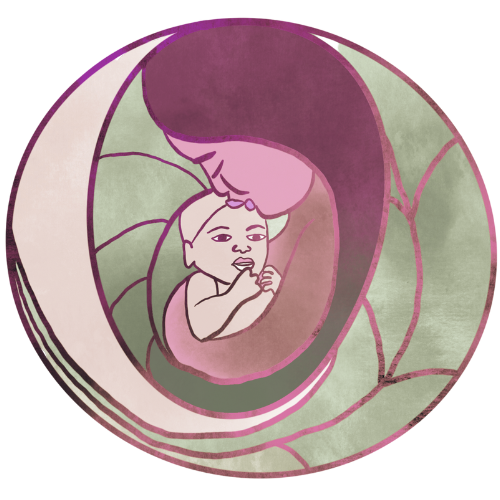
Postpartum Self-Care Looks Different for Everyone
What Does Postpartum Self-Care Actually Mean?
Postpartum self-care is whatever helps you rest, eat, heal, and feel like yourself again in the weeks after birth. The most useful version is a short, honest plan for the needs you'll actually have, made before your baby arrives, with real people attached to it.
Self-care after birth is rarely something you can do alone. The best plans are mostly about who will carry what, so you can focus on recovering and getting to know your baby.
Why "Make Self-Care a Priority" Can Feel Impossible
New parents hear this advice constantly, and it can land like one more thing to fail at when you're feeding a newborn around the clock.
Medina Walker, Nets's birth assistant and a student midwife, wrote about this in an essay for Motherly called Self-care looks different for everyone and that's OK. Her argument is simple. Self-care doesn't have to be a big thing, and it doesn't have to cost money. What helped her was getting honest about what she needed in her current season of life, then meeting those needs in small, ordinary ways. That's the heart of a good postpartum plan.
Start With What Your Body Needs Right Now
If you're wondering how to take care of yourself postpartum, start with your body. It's healing, bleeding, and making milk all at once, so protect your rest and keep yourself fed.
Rest means lying down, letting the laundry pile up, and saying no to visitors who want to be hosted. A "nesting zone" helps: a bed or couch with water, snacks, pads, and a phone charger within reach.
Nourishment means warm, easy food that someone else makes. Ask friends for meals instead of baby clothes, freeze soups in the last weeks of pregnancy, and keep a full water bottle wherever you feed the baby.
Our postpartum recovery timeline walks through healing week by week. For the emotional side, read what nobody tells you about those first weeks. Some families also choose a ceremony for this season. Nets offers Closing of the Bones to her clients in the postpartum period as a way to honor that transition.
Small, Free Things That Count
Medina's point about money is worth holding onto. Some of the most useful postpartum self-care costs nothing at all. Step outside for five minutes of fresh air. Take a warm shower while someone else holds the baby. Eat breakfast sitting down. Text one friend who makes you laugh.
None of these will change your life on their own. Together, done most days, they remind you that you're still a person and not only a source of milk and comfort.
A Grounding Practice for After Birth
Self-care after birth can be energetic as well as physical. In energy traditions, pregnancy is a time when your chakras shift and align around your growing baby. Birth is a huge release, and the lower chakras, the ones closest to where your baby grew, often feel that change most.
As a Reiki Master, I suggest new mothers focus on grounding. Sit or lie comfortably and picture roots growing from the soles of your feet down into the earth. Then imagine that steady energy rising up through each of your chakras and leaving the top of your head as a beam of light reaching toward the sky. A few slow breaths with this image can help you feel settled and whole again, and you can do it while your baby sleeps on your chest.
Let Your Care Team Carry Some of It
A big part of self-care is accepting the care that's already built around you. With Fruit of the Womb, that care comes to you. Nets provides postpartum home visits for mother and baby during the first six weeks, including newborn exams and screenings, breastfeeding support, and craniosacral therapy. Her care also includes a postpartum craniosacral session each for mama and baby. You'll receive herbal products for after the birth from her longtime colleague Hannah Burba.
Your partner and family are part of the team, too. Before the birth, decide together who handles meals, older children, pets, and visitors, and name one person whose job is to protect your rest. Planning help in advance is far easier than asking for it at 3 a.m.
Know the Signs That Need More Than Self-Care
Some sadness and tears in the first days after birth are common. The Office on Women's Health notes that the "baby blues" usually pass within a few days. Feelings that last longer than two weeks, or that feel severe, may be postpartum depression, and that needs real support, not just rest.
Reach out to your midwife or doctor if you feel hopeless or worthless for weeks, lose interest in things you used to enjoy, pull away from the people you love, or can't manage to eat, sleep, or care for yourself or your baby. If calling feels like too much, ask your partner or a friend to make the call for you.
If you have thoughts of harming yourself or your baby, get help right away. Call 911 in an emergency. You can also call or text 988, or reach the National Maternal Mental Health Hotline at 1-833-TLC-MAMA (1-833-852-6262). It's free, confidential, and open 24 hours a day. Postpartum depression is common and treatable, and asking for help is part of taking care of yourself.
How to Build Your Own Postpartum Self-Care Plan
The best time to make your plan is in the third trimester, while you still have the energy to think it through. Keep it to one page and put it on the fridge.
Start with three questions. What does rest look like for me, and who will protect it? What will I eat, and who will make it? Who can I call when I feel low, and who will check on me if I go quiet? Then add the small things that make you feel like yourself, even if they take five minutes.
Bring your plan to a prenatal visit so your midwife can help you spot gaps. If you'd like support through pregnancy, birth, and those first six weeks, reach out to Nets or book a free consultation.
Frequently Asked Questions
Is it selfish to focus on self-care with a newborn?
No. Your baby depends on you, and running on no sleep and skipped meals for weeks catches up with anyone. Resting, eating well, and asking for help are part of caring for your baby, not a break from it. Many parents feel guilty taking time for themselves, especially if they're used to handling everything. It helps to remember that the postpartum period is temporary. Letting others take over for a few weeks is how you recover well enough to be present for the long haul.
What should go on a postpartum self-care checklist?
Keep it short and specific to you. Most families include who's bringing meals, who's handling older kids and pets, how visitors will be managed, and where your nesting supplies will live. Add the names and numbers of the people you'll call when you're struggling, including your midwife. Then add two or three small comforts that help you feel like yourself. The checklist works best as a shared plan your household can follow, rather than a to-do list for you.
How can my partner support my postpartum self-care?
Partners can do a lot without being asked. They can bring water and food during feeds, take the baby for a stretch so you can sleep, keep visitors short, and handle the household tasks that pile up. One of the most helpful things a partner can do is take an early morning stretch with the baby so you get one longer block of sleep. Partners need rest too, so build their needs into the plan and take turns.
What if my postpartum plan falls apart?
It probably will, at least a little, and that's fine. Babies don't follow schedules, births don't always go as planned, and help sometimes falls through. Having one written down simply makes it easier to adjust. If something isn't working, change one piece at a time. Ask a different friend for meals, or lower your expectations for the house for now. The goal is to keep you rested, fed, and connected, not to follow a script.
When should I talk to my midwife about how I'm feeling?
Anytime, and sooner is better. You don't need to wait for a scheduled visit or until things feel serious. Your midwife expects to hear about sleep, mood, feeding, and healing, and those conversations are part of postpartum care. Mention it if you feel more anxious than usual, if you're having trouble bonding, or if something just feels off. Small concerns are easier to support early, and talking about them often brings relief on its own.
About the Author, Tori T.
Tori is a Reiki Master, yogi, and healer, certified in sound, color, and crystal therapies. With a passion for holistic wellness, she combines ancient wisdom with modern practices to guide individuals on their journey to balance and harmony. Through her work, Tori aims to inspire and empower others to achieve their highest potential.