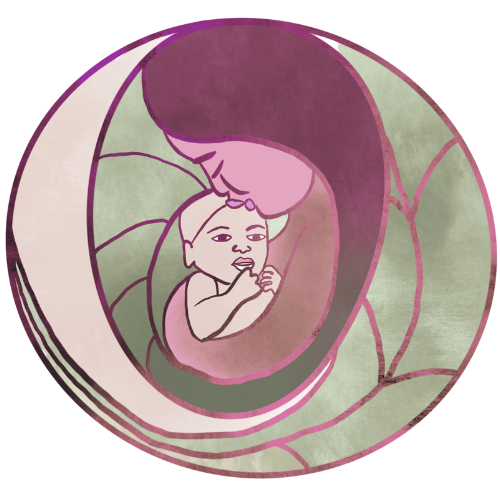
Pregnancy After Loss: The Emotional Journey of Holding Hope and Grief Together

This article is for anyone navigating pregnancy after miscarriage, stillbirth, infant loss, or termination for medical reasons. Your path here may look different from someone else's—and that's okay. This guide is meant to meet you wherever you are.
If you're reading this, you've likely walked through one of life's most painful experiences—and now you're here, pregnant again, holding a fragile hope alongside a grief that hasn't gone away. This is one of the most emotionally complex journeys a person can walk. And you don't have to walk it alone.
The Complex Emotions of Pregnancy After Loss
Many families we've worked with describe pregnancy after loss as living in two worlds at once. There's the world of hope—ultrasound appointments, tiny kicks, dreams of bringing this baby home. And there's the world that knows how quickly everything can change.
Research confirms what bereaved parents already know: pregnancy after loss brings significantly elevated levels of anxiety and depression compared to pregnancies without a loss history. A 2023 integrative review in Midwifery found that pregnancy following perinatal loss contributes to intense psychological distress including grief, post-traumatic stress disorder, anxiety, and depression—and that these feelings often persist even after a healthy baby is born.
This isn't weakness. This is a normal response to trauma.
Fear and Anxiety
The fear that something will go wrong again can feel constant. Every twinge, every quiet moment, every trip to the bathroom becomes loaded with anxiety. Many families we've worked with describe holding their breath between appointments, counting kicks obsessively, or feeling unable to relax into the pregnancy at all.
Guilt
Guilt shows up in unexpected ways. Guilt about feeling happy. Guilt about not feeling happy enough. Guilt about this baby somehow "replacing" the one who came before. Guilt about bonding—or not bonding—with the baby you're carrying now.
Grief That Resurfaces
Pregnancy after loss doesn't pause your grief—it often intensifies it. Milestones that should feel celebratory can trigger waves of sadness for the pregnancy that didn't end this way. The baby who isn't here is still present in every moment of the pregnancy that is.
Protective Distancing
Some parents describe holding back emotionally—not buying baby items, not announcing the pregnancy, not letting themselves imagine a future with this child. This is sometimes called "emotional cushioning" or "guarding your heart." It's a protective response, and it makes sense.
Milestone Anxiety
Getting past the point where your previous loss occurred can feel both terrifying and anticlimactic. Many families we've worked with describe the weeks leading up to that gestational age as excruciating—and then feeling lost when they pass it, because the anxiety doesn't simply disappear.
Loneliness
Pregnancy after loss can feel profoundly isolating. You don't quite fit into regular pregnancy spaces, but you may not feel you belong in loss communities anymore either. Friends and family may expect you to be "over it" now that you're pregnant again. The complexity of your experience can be hard for others to understand.
What Makes This Pregnancy Different
This pregnancy isn't like pregnancies you see portrayed in movies or on social media. It carries a different weight.
Hypervigilance
Your body has learned that pregnancy doesn't always mean a baby comes home. That knowledge lives in your nervous system now. Hypervigilance—constantly scanning for signs that something is wrong—is a trauma response, not an overreaction.
The Complicated Relationship with Hope
Hope can feel dangerous when it's been shattered before. Many families we've worked with describe feeling superstitious about hope, as if allowing themselves to feel it might jinx the pregnancy. Learning to hold hope gently, without demanding certainty, is one of the hardest parts of this journey.
The Pressure to "Just Be Grateful"
Well-meaning people may tell you to focus on the positive, to be grateful you're pregnant again, to stop worrying. This pressure—whether from others or yourself—can compound your pain. You can be deeply grateful for this pregnancy and still grieve. Both can be true at once.
Rainbow Baby Culture
The term "rainbow baby"—a baby born after a loss—resonates deeply with some families. For others, it feels uncomfortable, as if it suggests the storm is over when grief is still very much present. There's no right way to feel about this language. Use what serves you; leave what doesn't.
Honoring Both Babies
This pregnancy doesn't erase or replace the baby or babies who came before. Many families find that consciously creating space for both—the child they're carrying and the child they lost—helps them move through pregnancy after loss with more wholeness.
Ways to Honor Your Baby Who Died
Some families light a candle for their baby during prenatal appointments. Others include their baby's name in the nursery or choose a meaningful way to acknowledge them during the birth. Some find it meaningful to write letters, create art, or mark significant dates. There's no template for this—only what feels right to you.
Partners May Grieve Differently
If you have a partner, recognize that you may each be experiencing this pregnancy differently. One of you may feel ready to bond with this baby while the other holds back. One may want to talk about your loss frequently while the other processes more privately. Neither approach is wrong. The key is communicating with compassion and giving each other space to grieve in your own ways.
Building Your Support System
Pregnancy after loss requires a different kind of care—care that acknowledges your history and honors the complexity of what you're experiencing.
The Role of a Midwife or Doula Who Understands Loss
Working with a home birth midwife or doula who has experience supporting families through pregnancy after loss can make a profound difference. A provider who understands your history won't minimize your fears or rush you past your grief. They'll create space for both the loss you've experienced and the hope you're carrying.
If you're in the Baltimore area and looking for compassionate, holistic support through pregnancy after loss, reach out to Nets at Fruit of the Womb for a free consultation. You deserve care that honors your whole story.
Therapy and Support Groups
Individual therapy with a perinatal mental health specialist can provide crucial support during this time. Look for therapists who specialize in pregnancy loss and understand the unique challenges of subsequent pregnancy.
Support groups—both online and in-person—can help you feel less alone. Pregnancy After Loss Support (PALS) offers online support groups, local meet-ups, and even a Pregnancy After Loss App designed specifically for parents expecting after loss. Postpartum Support International offers resources for grief during pregnancy and postpartum, including a helpline and provider directory.
Communicating Your Needs to Care Providers
You have the right to ask for what you need. This might mean requesting additional ultrasounds, more frequent appointments, or simply more time to ask questions. It might mean asking your provider to acknowledge your loss history at each visit, or asking them not to use certain phrases that feel painful.
A simple script: "I want you to know that I experienced [type of loss] before this pregnancy. It would help me if you could [specific request]."
Setting Boundaries with Well-Meaning Friends and Family
Not everyone will know how to support you through pregnancy after loss. Some people will say insensitive things. You're allowed to set boundaries: limiting time with people who minimize your experience, asking loved ones not to share your pregnancy news, or simply saying "I'm not ready to talk about that."
Practical Coping Strategies
There's no way to make pregnancy after loss easy, but there are ways to move through it with more gentleness.
Taking It One Day at a Time
Many families we've worked with find that thinking too far ahead intensifies anxiety. Some adopt mantras like "Today, I am pregnant" or focus only on getting to the next appointment. Breaking the pregnancy into smaller, more manageable pieces can help.
Milestone Markers vs. Living in the Present
Some parents find it helpful to mark milestones—viability week, passing the gestational age of their loss, third trimester. Others find that focusing on milestones increases anxiety. Neither approach is right or wrong. Pay attention to what actually helps you feel calmer.
Journaling and Ritual
Writing can be a powerful way to process the swirl of emotions during pregnancy after loss. Some families write letters to the baby they're carrying, or to the baby they lost. Others create small rituals—lighting a candle, saying a prayer, visiting a meaningful place—to help hold the complexity.
Deciding What Information You Want
More information helps some people feel in control. Others find that additional ultrasounds or frequent monitoring increases their anxiety. Consider what's true for you. You might want a home doppler to hear the heartbeat between appointments—or you might find that having one makes you more anxious, not less. There's no universal answer.
Gentle Movement and Grounding Practices
Trauma lives in the body, and gentle movement can help. Prenatal yoga, walking, swimming, or simple stretching can help you stay connected to your body during a time when that connection may feel fraught. Breathwork and grounding practices—feeling your feet on the floor, noticing five things you can see—can help when anxiety spikes.
Biodynamic craniosacral therapy can also support the nervous system during pregnancy after loss, helping to process trauma and create a sense of safety in the body.
Preparing for Birth After Loss
As your due date approaches, you may find new layers of emotion arising. Birth planning after loss carries its own considerations.
Creating Your Birth Plan with Loss History in Mind
Your holistic birth plan should reflect your unique history and needs. This might include requests for continuous fetal monitoring if that helps you feel safer, or it might mean advocating for minimal interventions if your previous loss involved a traumatic hospital experience. Consider what environment and approaches will help you feel most supported.
Communicating Your Story to Your Birth Team
Make sure everyone who will be present at your birth knows about your loss. You shouldn't have to tell your story multiple times during labor. Consider having your partner or doula share key information with new staff so you can focus on laboring.
Preparing Emotionally for Postpartum
Research shows that the psychological impact of previous loss can persist even after a healthy baby is born. You may experience intense relief, overwhelming love, unexpected grief, anxiety about your baby's safety, or all of these at once. Line up postpartum support in advance—a postpartum doula, a therapist, trusted friends and family who understand your journey.
When to Seek Additional Support
If anxiety or grief feels overwhelming—if you're unable to function, experiencing panic attacks, having intrusive thoughts, or feeling disconnected from reality—please reach out to a mental health professional who specializes in perinatal loss. You deserve support.
Postpartum Support International's helpline (1-800-944-4773) offers support in English and Spanish for pregnant and postpartum individuals experiencing mood disorders.
You Are Not Alone
Pregnancy after loss is one of the most emotionally demanding experiences a person can navigate. You are allowed to hold grief and hope in the same hands. There is no "right way" to be pregnant after loss. Your feelings—all of them—are valid.
You deserve support that honors your whole story: the baby you lost, the baby you're carrying, and the courageous parent you are becoming through all of it.
Last updated: [Month Year]
This article is for informational purposes and reflects guidance from birth professionals who have supported many families through pregnancy after loss. Always discuss your specific situation and needs with your care provider. If you're experiencing thoughts of self-harm, please call 988 (Suicide and Crisis Lifeline) or go to your nearest emergency room.
FAQs
When is it safe to try again after a miscarriage or loss?
There is no universal timeline, and this is a decision to make with your care provider based on your specific situation. According to ACOG (American College of Obstetricians and Gynecologists), ovulation can occur as soon as two weeks after an early miscarriage, and there is no medical reason to wait before trying again. Research from the National Institutes of Health suggests that trying to conceive within three months of an early pregnancy loss may actually be associated with higher rates of live birth. However, if you had a later loss, D&C, or complications, your provider may recommend waiting longer. Equally important is your emotional readiness—give yourself permission to wait until you feel ready, whatever that timeline looks like for you.
How do I bond with this baby when I'm scared of losing them?
First, know that difficulty bonding during pregnancy after loss is incredibly common and doesn't mean anything is wrong with you or that you won't bond after birth. Many families we've worked with describe bonding as something that unfolds gradually—sometimes not until well after the baby is born safely. If it helps, try small gestures: talking to your baby, playing music, resting your hand on your belly. If it feels too painful to engage, that's okay too. Your protective instincts are working to guard your heart from more pain. Trust that love will come in its own time.
Should I tell my care provider about my previous loss?
Yes. Your provider needs to know your complete pregnancy history to give you the best care. Loss history can affect medical decisions, monitoring recommendations, and the emotional support you need. If your current provider minimizes your loss or doesn't seem to understand its impact, you have every right to seek care elsewhere. You deserve a provider who takes your history seriously and treats you with compassion.
How do I respond to people who say insensitive things?
People often say hurtful things without meaning to: "At least you can get pregnant," "Everything happens for a reason," or "You should just be grateful." You can respond however feels right in the moment—educating them, setting a boundary, or simply walking away. Some responses that may help: "I know you mean well, but that's not helpful for me right now." "I'm still grieving my baby who died, and I need that to be acknowledged." Or simply: "I'd rather not discuss it." You don't owe anyone an education, and protecting your peace is valid.
Is it normal to feel sad even when the pregnancy is going well?
Absolutely. A healthy pregnancy doesn't erase your grief or resolve your trauma. Many families we've worked with describe feeling sad, anxious, or disconnected even when every test comes back normal. Pregnancy after loss means holding multiple truths at once: this pregnancy is going well, and you still lost a baby you loved. Both realities exist together. If sadness feels overwhelming or you're struggling to function, reach out to a perinatal mental health specialist—but know that grief during a healthy pregnancy is normal and doesn't mean anything is wrong.