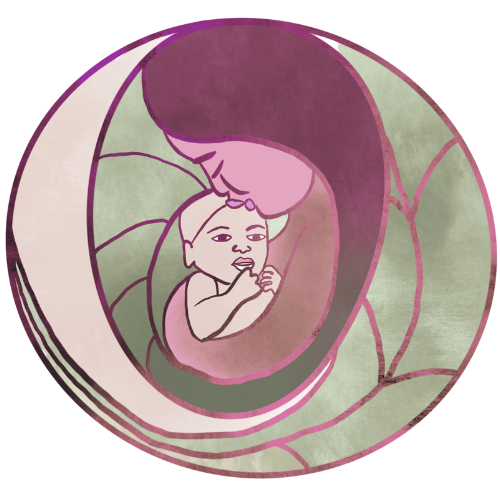
Embracing Winter Pregnancy: The Season of Going Inward

There's a reason so many cultures throughout history have honored winter as a time of rest, reflection, and quiet preparation. The natural world goes still. Seeds sleep underground. Animals retreat to their dens. Trees pull their energy inward, storing strength for the growth that will come with spring.
If you're pregnant during the winter months, your body is asking for something similar.
Many families we've worked with describe winter pregnancy as a gift they didn't expect—permission to slow down when their body was already asking for rest. While summer pregnancies often come with pressure to stay active and social, winter offers a different invitation: to go inward, to nest, to honor the unseen work of growing a new life.
The Wisdom of Winter
In nature, winter isn't empty—it's full of hidden activity. Beneath the frozen ground, roots are strengthening. In the darkness, transformation is happening. This is the season of gestation in every sense.
Pregnancy mirrors this beautifully. So much of what's happening in your body is invisible to the outside world. Cells are dividing, organs are forming, a whole new person is taking shape—all in the quiet darkness of your womb. Winter invites you to trust this unseen process.
The Winter Solstice: Darkness and the Return of Light
The winter solstice—the longest night of the year—has been celebrated across cultures for thousands of years. It marks the moment when darkness reaches its peak and the light begins its slow return. For pregnant families, this is a powerful metaphor.
Pregnancy itself is a kind of waiting in the dark. You're holding space for something you can't yet see, trusting that the light—your baby's arrival—will come. The solstice reminds us that darkness isn't something to fear. It's necessary. It's where growth happens.
If you're pregnant during the winter solstice (around December 21st in the Northern Hemisphere), consider marking this moment. Many families we've worked with find meaning in simple solstice rituals during pregnancy—lighting candles, setting intentions for their birth, reflecting on what they're releasing as they prepare to become parents.
Why Winter Supports Pregnancy
Permission to Rest
Pregnancy fatigue is real, especially in the first and third trimesters. Winter gives you cultural permission to slow down in a way that summer doesn't. The short days and long nights naturally encourage earlier bedtimes. The cold weather makes staying home feel cozy rather than isolating.
Many families we've worked with describe feeling relieved to be pregnant in winter—there's less pressure to attend outdoor events, less expectation to "keep up" with a busy social calendar. The season itself supports the rest your body needs.
Time for Inner Reflection
Winter's quietness creates space for the inner work of pregnancy. This is a season for journaling, for meditation, for long conversations with your partner about the family you're creating. Without the distractions of summer activities, you may find it easier to connect with your baby and with yourself.
Consider keeping a pregnancy journal during the winter months. Write letters to your baby. Reflect on your hopes and fears. This inner work is just as important as the physical preparation.
Nesting Season
The instinct to nest—to prepare your home for your baby—aligns perfectly with winter. While the world outside is cold and still, you can focus on creating warmth inside. Sorting baby clothes, preparing the nursery, cooking meals to freeze for postpartum—these nesting activities feel natural when you're spending more time indoors.
Nourishing Yourself Through Winter Pregnancy
Warming Foods for Pregnancy
Many traditional cultures emphasize warming, nourishing foods during winter—especially for pregnant women. Bone broths, slow-cooked stews, roasted root vegetables, and warm grains can help you feel grounded and nourished during the colder months.
Some warming foods to incorporate: soups made with chicken or vegetable broth, sweet potatoes and winter squash, oatmeal with warming spices like cinnamon and ginger, herbal teas safe for pregnancy (like ginger or rooibos), and cooked leafy greens.
If you're interested in herbs that support pregnancy and birth, many traditional preparations involve warming herbs that are especially comforting in winter.
Staying Hydrated
It's easy to forget to drink water when you don't feel hot or thirsty. But staying hydrated is just as important in winter as in summer. Warm water with lemon, herbal teas, and broths all count toward your fluid intake and can feel more appealing than cold water in the winter months.
Gentle Movement
Winter doesn't mean you need to stop moving—but it might mean adjusting how you move. Prenatal yoga, gentle stretching, and indoor walking can help you stay connected to your body without braving icy sidewalks. Swimming in a heated pool is another wonderful option for winter pregnancy.
If you can get outside safely, a short walk in natural light—even on an overcast day—can boost your mood and help with vitamin D production.
Navigating Winter's Challenges
Vitamin D and Light Exposure
During winter, especially in northern latitudes like Maryland and the mid-Atlantic, your body makes less vitamin D from sunlight. According to ACOG, vitamin D deficiency is more common in pregnant women who live in cold climates or have limited sun exposure.
Most prenatal vitamins contain vitamin D, but talk with your care provider about whether you need additional supplementation, especially during winter. Getting outside during daylight hours—even for 15-20 minutes—can also help.
Managing Winter Mood
The shorter days and reduced sunlight of winter can affect mood, and this is particularly important to be aware of during pregnancy. Research suggests that reduced sunlight can affect serotonin levels in the brain, and some people experience seasonal affective disorder (SAD) during winter months.
If you're feeling persistently sad, low energy, or hopeless during your winter pregnancy, please talk with your care provider or a mental health professional. Light therapy (using a special light box), spending time outdoors during daylight hours, staying connected with friends and family, and regular gentle exercise can all help support mood during the darker months.
This is not a sign of weakness—it's biology. And support is available.
Cold and Flu Season
Winter coincides with cold and flu season, and pregnancy can make you more susceptible to illness. Basic precautions—washing hands frequently, getting a flu shot (recommended during pregnancy), staying home when you're not feeling well, and prioritizing sleep—can help protect you and your baby.
If you do get sick, rest is essential. Your body is already working hard to grow a baby; fighting an illness on top of that is exhausting. Give yourself full permission to slow down and recover.
Staying Connected
While winter invites you to go inward, isolation can become unhealthy. Make sure you're maintaining connections with friends, family, or a community of other pregnant people. Virtual connections count, too—especially on days when the weather makes leaving home difficult.
Consider joining a prenatal class, a pregnancy support group, or connecting with a doula or midwife who can provide consistent support through your pregnancy.
Preparing for a Winter Birth
If your due date falls in winter, there are some practical and emotional considerations to keep in mind.
Practical Preparations
Winter weather can be unpredictable. If you're planning a hospital or birth center birth, make sure you have a plan for getting there in poor weather conditions. Keep your car's gas tank full and have a bag packed early. If you're planning a home birth, discuss with your midwife how weather might affect their travel to you and have backup plans in place.
Think about keeping your birth space warm. In winter, this might mean having extra blankets available, ensuring your heating system is working well, or considering a space heater (used safely) in the room where you plan to labor.
Creating Your Birth Plan
Your holistic birth plan might include winter-specific elements: warm blankets for labor, a playlist that feels cozy and grounding, or candles (battery-operated for safety) that honor the solstice themes of light in darkness.
Many families we've worked with describe winter births as especially intimate—the darkness outside creating a cocoon-like feeling in the birth space, the warmth inside contrasting with the cold outside.
Postpartum in Winter: The Tradition of Lying In
Winter is actually an ideal time for the postpartum period. Many cultures traditionally practiced "lying in"—a period of 30-40 days after birth when the mother rests, heals, and bonds with her baby while others take care of household responsibilities.
Winter naturally supports this. There's less pressure to get out and about, less expectation to resume "normal" activities quickly. The short days and long nights align with newborn sleep patterns and frequent nighttime feeding.
If possible, set yourself up for a winter "lying in": prepare freezer meals before your due date, ask friends and family to bring warm soups and stews, create a cozy nest where you can rest with your baby, and give yourself permission to stay home and heal.
A Winter Solstice Ritual for Pregnancy
If ritual resonates with you, here's a simple practice for the winter solstice during pregnancy:
On the evening of the solstice (around December 21st), find a quiet moment. Light a candle—representing the light returning, the light of your baby coming into the world. Sit quietly and place your hands on your belly.
Reflect on what you're releasing as you prepare to become a parent (or to parent again). What fears, what old identities, what patterns are you ready to let go of?
Then reflect on what you're welcoming. What kind of parent do you want to be? What do you hope for your baby? What light are you calling in?
You might write these reflections in a journal, speak them aloud, or simply hold them in your heart. Blow out the candle when you're ready, trusting that even in the darkness, the light is returning.
Embracing the Season
Winter pregnancy is an invitation, not a burden. It's an opportunity to align with nature's rhythms—to rest when rest is needed, to turn inward when the world goes quiet, to trust the unseen growth happening in the darkness.
You don't have to fight the season. You can let it hold you.
If you're looking for support through your winter pregnancy—whether you're planning a home birth, seeking holistic prenatal care, or simply want a provider who understands the value of slowing down—reach out to Nets at Fruit of the Womb for a free consultation. You deserve care that honors both you and the season you're in.
Last updated: [Month Year]
This article is for informational purposes. Always discuss specific health concerns, including vitamin D supplementation and mood changes, with your care provider.
FAQs
Is it safe to be outside in cold weather while pregnant?
Yes, with reasonable precautions. Dress in layers, protect your extremities (hands, feet, head), and be careful on icy surfaces—your center of gravity shifts during pregnancy, making falls more likely. If temperatures are extremely cold (below freezing with wind chill), limit your time outdoors and cover exposed skin. Breathing cold air is not harmful to your baby. Many families we've worked with find that brief walks in cold air actually feel refreshing and help with mood. Just listen to your body and come inside if you're uncomfortable.
How can I boost my mood during a dark winter pregnancy?
Several strategies can help: get outside during daylight hours, even if just for 15-20 minutes; consider a light therapy box (10,000 lux, used in the morning); maintain social connections even when you don't feel like it; keep moving with gentle exercise like prenatal yoga or walking; eat nourishing foods and stay hydrated; and create cozy rituals that give you something to look forward to. If you're experiencing persistent low mood, loss of interest in activities, or feelings of hopelessness, please reach out to your care provider—these can be signs of depression that deserve professional support.
What should I eat during winter pregnancy to stay nourished?
Focus on warming, nutrient-dense foods: bone broths and soups, roasted root vegetables (sweet potatoes, carrots, beets, parsnips), winter squash, cooked leafy greens, whole grains like oatmeal and brown rice, lean proteins, and healthy fats. Warming spices like ginger and cinnamon can aid digestion and feel comforting. Make sure you're getting enough iron (important in pregnancy) from foods like lentils, beans, and leafy greens—pair with vitamin C foods to enhance absorption. And don't forget to stay hydrated with warm fluids like herbal teas and broths.
How do I prepare for a winter due date?
Plan for weather-related challenges: keep your car's gas tank at least half full, have your hospital bag packed early (by 36 weeks), program important numbers into your phone, and discuss weather backup plans with your birth team. If you're planning a home birth, talk with your midwife about how she handles travel in poor weather. At home, make sure your heating system is reliable and you have warm blankets available for labor and postpartum. Stock your freezer with easy meals and consider arranging postpartum support in advance—winter is a perfect time for the "lying in" tradition of extended rest after birth.
Are there any winter pregnancy traditions I can incorporate?
Many cultures have traditions honoring pregnancy in winter. The winter solstice (around December 21st) is a meaningful time to mark the longest night and the return of light—consider lighting candles, setting intentions, or journaling about your hopes for birth and parenthood. Some families create a "blessing way" or mother's blessing during winter, gathering close friends for a ceremony that honors the pregnant person. Others incorporate hygge (the Danish concept of coziness) into their pregnancy—creating warm, candlelit spaces, enjoying hot drinks, and embracing the season's invitation to slow down. There's no right way; choose what feels meaningful to you.